
EU tightens VAT fraud enforcement: what does this mean for car exporters?
From 17 August 2027, Regulation (EU) 2026/1743 gives the EPPO and OLAF access to cross-border VAT data, so consistent export files matter more than ever.
Novatrade24 update: EU gives enforcement authorities direct access to your VAT data
New: Regulation (EU) 2026/1743 entered into force on 16 August 2026
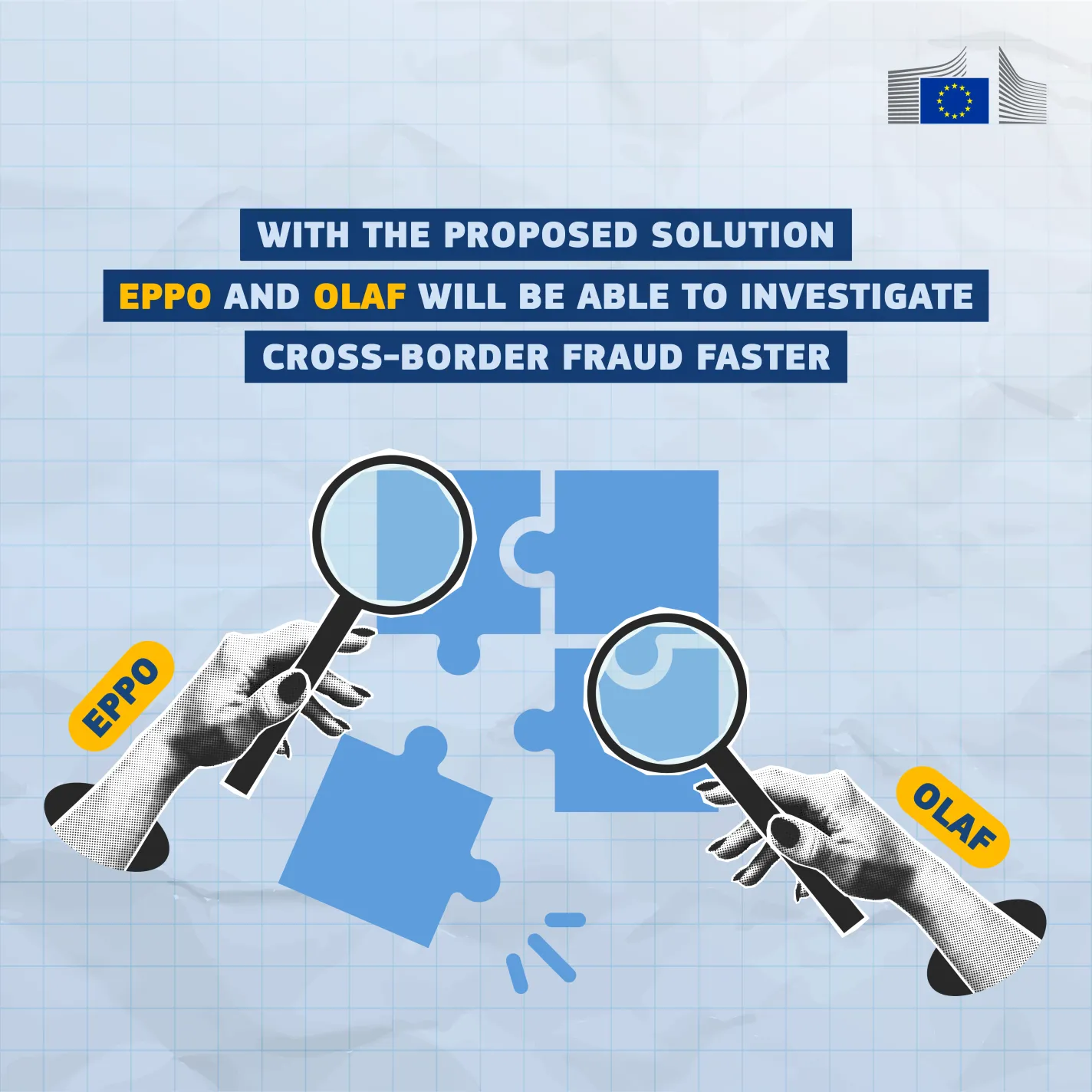
Regulation (EU) 2026/1743 entered into force on 16 August 2026 and fundamentally changes the way European enforcement authorities look at cross-border trade. From 17 August 2027, it gives the EPPO (European Public Prosecutor’s Office) and OLAF (European Anti-Fraud Office) access to cross-border VAT data, including data from Eurofisc (the decentralized network established by the EU Member States to facilitate the rapid multilateral exchange of targeted information on VAT fraud), and from 1 July 2030 to VIES as well. Eurofisc will henceforth be required to share relevant information and analyses concerning suspected VAT fraud when requested.
What exactly is changing
EPPO and OLAF will have access to VAT data on cross-border transactions, rather than relying on data being passed on by Member States. Eurofisc will be required to provide relevant information and analyses concerning suspected VAT fraud when requested. Access to VIES data follows from 1 July 2030. There will be a single central access point for targeted searches, with established rules for data protection and logging.
Why this matters to you
According to the European Commission, missing trader intra-Community (MTIC) fraud, also known as VAT carousel fraud, cost Member States an estimated €12.5 billion to €32.8 billion in VAT in 2023. This regulation expands and strengthens automated controls on VAT fraud. That has a direct impact on auto exporters. International car trading is a sector where this type of fraud can thrive: chains of buyers and intermediaries who disappear once the VAT should have been paid. Before you know it, you may unintentionally become part of such a chain.
Faster and more efficient investigations
Through smarter cooperation, enforcement authorities will identify irregularities in export chains faster than ever. Even when the error is not yours, but occurs further down the chain. Investigations by the EPPO and local tax authorities will therefore become more efficient, targeted and effective. We therefore expect more targeted questions or investigations into suspicious transactions over time.
Consistent compliance
Consistent documentation of export files is becoming even more important as a result of this development. Irregularities in your own export documentation can work against you if you happen to be part of a VAT fraud chain. One transaction documented one way and another differently: such an inconsistent pattern can count against you. It goes without saying that authorities expect export files to be documented consistently. All transactions must therefore be documented in the same, consistent way. And every file must be complete and meet the current requirements, not those of last year.
How does Novatrade24 help you with this?
Click2Comply is designed to eliminate precisely the risk of an inconsistent or incomplete export file. Automated KYC/KYB checks, VAT and anti-money-laundering risk detection, and an audit-ready export file for each transaction ensure a complete and consistent export file. During an inspection or audit, you do not have to worry about your export files.
“Compliance is not a brake on entrepreneurship. It is the foundation for doing business sustainably and with confidence.”
Get started
Would you like to know what this regulation specifically means for your export chain and current way of working, or discuss how we can help take this burden off your shoulders? Contact Tom Hessing ([email protected]).
Tom Hessing: +31 6 54 34 29 91
Novatrade24: +31 73 820 00 19